

1kg Coffee Beans - How Much Coffee Is In One Kilo Bag?
A kilo of coffee beans can make about 140 cups. This figure is based on the industry standard measure of seven grams per cup, and assumes there is no waste.
However, taste preferences and brewing method can significantly alter this number. Make use of a digital scale to make sure you get a precise measurement.
Cost-effectiveness
If you're a coffee enthusiast, buying whole beans in bags of 1kg is the best method to strike a balance between quality and quantity. A large purchase means that your coffee supplies will last longer, and you'll save money in the end. This is a particularly good option for those who are frequent coffee drinker or manage coffee equipment in a small office. You can schedule weekly or fortnightly delivery to ensure you always have plenty of coffee in your cupboard.
Helping local coffee farmers is another reason to buy coffee in kilo amounts. Many small-scale coffee farmers are struggling with the cost of coffee, especially specialty varieties. These beans are of higher quality and are more expensive to produce than standard beans. They often require an increase in price to offset the cost of production. When you buy them by kilogram, they are able to compete with roasters that are larger to sustain their livelihoods.
A kilogram of coffee beans will make more than 100 cups. The amount of cups you can drink will vary depending on the type of brewing method and your personal preferences. For example, a espresso needs more coffee than a drip brew. A coarser grind will also require more coffee beans.
The amount of coffee needed for a cup of coffee can be affected by the country of origin, which can have direct influence on the cost of production. For instance, the cost of Yemeni coffee is considerably more expensive than other countries in the same region. This is due in part to high labor costs and low yields as well as changing tastes of consumers.
It's also important to consider the carbon footprint of your coffee. Buying coffee from a local roaster is a great option to reduce the environmental impact, as it will cut down on shipping and packaging costs. Alternatively, you can use organic milk to cut down on the carbon footprint of your home even more.
Convenience
When it comes to brewing a great cup of coffee the quality of the beans is essential. The choice of buying whole beans or pre-ground coffee will affect the flavor and aroma of the finished coffee. Purchasing whole beans in bags of 1kg is an affordable and practical solution for many coffee lovers. These bags are available in resealable formats that help keep the beans fresh from the moment they are first used until they last. They also help reduce waste from packaging, making them an environmentally conscious option.
If you're an espresso fan or a casual drip brewer, chances are you have a good idea of the amount a kilogram of coffee beans will make. However, calculating the quantity of cups can be tricky, because it depends on factors such as grind size as well as the method of brewing and your personal preferences.
A kilo of beans, when finely ground to make an Aeropress or drip brewer, typically produces 100 cups. If you're using a French press that will produce around 70 cups. You may need to experiment to determine the ideal grind size.
One of the biggest benefits of purchasing bags of 1kg coffee beans is that you can make a bigger amount of coffee in a single sitting and save money in the long term. This is particularly important for large families or offices who consume many cups of coffee. The larger amounts of coffee beans also allow you to brew for longer without running out.
The convenience of 1kg of coffee beans isn't only for the home brewer but also a great alternative for restaurants, cafes, and cafeterias. In bulk purchases, you're not only cheaper than smaller purchases, but it also helps reduce packaging waste by cutting down on the amount of paper and plastic used to package each batch. Reusable bags guard the coffee from moisture and oxygen. This extends the life of the coffee and ensures that it tastes fresh. This type of coffee may also be purchased in bulk to decrease the amount of waste generated by grounds of coffee. These grounds can then be composted or used for gardening.
Variety
You may have found this page through searching for "best 1kg of coffee beans" on Google or be interested in the options available. Whatever the reason, you're in right spot. A 1kg bag of coffee beans will provide approximately 100 cups of coffee according to your preferences and brewing techniques.
There are many different types of coffee beans, each with distinctive flavour profiles. One option is to pick one-origin coffee beans that comes from a particular country or region, while another is to go for an assortment of different beans. No matter what type of coffee you choose the quality will be contingent on the beans.
You may also look into purchasing a bag of whole beans, instead of ground coffee beans, to ensure you get the best flavor possible. Whole beans can last longer than ground coffee beans which can lose their flavor quickly. A bag of whole beans is more cost-effective than coffee that has been ground.
MaxiCoffee is a good place to purchase high-quality beans. They offer a variety of single origin and blend beans in bags of 1kg. Their beans are roasted entirely by hand in small batches to get the perfect roasting and flavor. Their beans are also organic, which means that they're free from pesticides.
There are a myriad of factors to take into consideration when selecting the best coffee beans for your recipe. For instance, the flavor of the coffee beans can be affected by the method in which the beans are roasted, and also the temperature at which they are roasted. The size of the coffee bean is crucial, since smaller beans are more likely to toast faster than larger ones. Additionally, the flavor of the coffee beans can be altered by the ingredients included in the recipe. Therefore, it is recommended to experiment with different recipes before making a final decision.
Quality
The quality of coffee beans is among the primary factors that determine the overall flavor of your beverage. beans 1kg can transform your drink from a simple beverage to an experience to be savored. If you purchase coffee beans in kilos instead of smaller bags, you will find the top quality. This will help you save money and avoid the waste. Additionally, buying coffee beans by the kilo is more beneficial for the environment. It reduces the amount of packaging waste, and the amount of coffee grounds thrown into landfills.
When it comes to brewing coffee, you should always choose the best-quality beans available. The beans you buy should be fresh and properly roasted to produce an oozing cup of rich, smooth, and flavorful coffee. You can locate these high-quality beans by buying large quantities from a trusted online coffee store.
A 1kg bag will give you plenty of cups of the morning beverage that you like. The amount of cups you receive will be based on your personal preferences and the method of brewing. Espresso, for example, requires more beans than French drip or press coffee. The size of your grinder can also impact the amount of cups you can make.
Whether you are looking for single-origin or blends 1kg bags of beans you select must have a pleasing scent and taste. You can even find a variety of exotic flavors, including floral, fruity, and nutty. In addition, the beans you purchase must be grown at higher elevations, which could contribute to a more complex and balanced flavor.
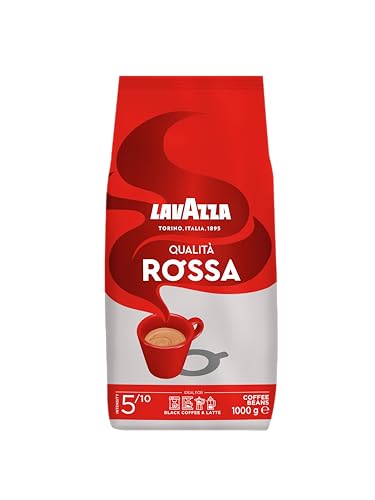
If you purchase 1kg of coffee beans, you should be aware of the source of the beans and the roasting process. The best beans are sourced from all over the globe and then roasted to perfection. They are balanced with sweetness, acidity, and body that pleases the coffee connoisseur.
The 1kg bag of coffee beans you choose should also be top-quality and free of additives. Look for brands that are certified organic or Fairtrade. It should be locally sourced and sustainable. These aspects ensure that your coffee is free from pesticides, chemicals, and artificial ingredients.